Source Chunky Heel Sandals for Leisure, Casual, and Autumn Wear
Explore 30 options for chunky heel sandals designed for women's leisure and casual wear. Compare features like genuine leather uppers, PU outsoles, and multi-strap styles. Find suitable models for autumn seasons with high heels and open toe caps; compare the available evidence and request quotations based on your requirements.
Key considerations
Products List




Comprehensive Sourcing Guide
Chunky Heel Sandals Sourcing Guide
Sourcing chunky heel sandals requires a nuanced understanding of the intersection between aesthetic trends and functional footwear engineering. These sandals are characterized by their substantial heel structures, which provide stability and a modern silhouette, often paired with open-toe designs and multi-strap configurations. Buyers must distinguish between genuine leather uppers and alternative materials, as this significantly impacts durability, breathability, and cost structure. The observed market data indicates a wide range of product models, from casual leisure styles to more structured high-heel variants, necessitating precise specification alignment to avoid procurement mismatches.
The procurement landscape for these items is diverse, with suppliers offering various customization options and packing standards. It is critical to verify whether the product is intended for indoor leisure use or broader casual wear, as this influences material selection and sole composition. The presence of features like anti-slippery properties and hard-wearing outsoles suggests a focus on practicality alongside style. Buyers should carefully review the listed attributes, such as heel height and closure types, to ensure the final product meets the specific ergonomic and aesthetic requirements of their target demographic, particularly female consumers seeking comfort and fashion.
Product Scope and Observed Listing Signals
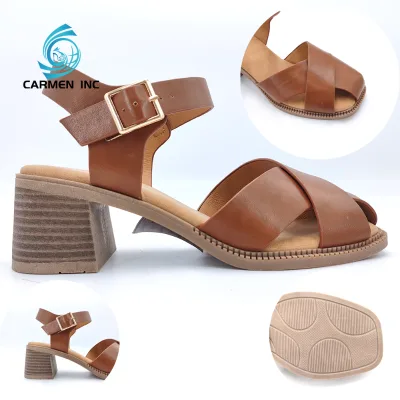
The current market listings for chunky heel sandals reveal a broad spectrum of product types, including casual shoes, slippers, and high heels, all sharing the common trait of a substantial heel structure. Observed attributes highlight the use of genuine leather or standard leather uppers, paired with PU or TPR outsoles, indicating a focus on lightweight durability. The color palette includes vibrant options like orange, catering to seasonal trends, particularly for autumn and summer collections. These signals suggest that suppliers are targeting both leisure and casual wear segments, with a strong emphasis on comfort features such as rubber insoles and platform designs.
Further analysis of the listings shows a variety of heel shapes, with chunky heels being a dominant feature, often measuring around 5cm or classified as medium height. Some products are explicitly labeled as non-handmade and non-disposable, pointing towards mass production capabilities. The inclusion of hook-and-loop closures and multi-strap elements adds to the versatility of the designs. Buyers should note that while some listings mention specific models like 913-52 or 518-958, the exact specifications can vary significantly between suppliers, requiring careful verification of each product’s unique characteristics before placing orders.
Technical Specifications to Verify
When evaluating technical specifications, buyers must prioritize the verification of upper materials, distinguishing between genuine leather and other leather types to ensure quality consistency. The outsole material, whether PU or TPR, plays a crucial role in the shoe’s flexibility and wear resistance, so it is essential to confirm the exact composition. Heel height and shape are critical dimensions; while some products feature high chunky heels, others may offer medium heights or flat platforms. Buyers should request detailed size charts, particularly for EU sizes ranging from 35 to 45, to ensure accurate fitment and reduce return rates.
Additionally, the closure type and insole material are key technical factors that affect user comfort and product longevity. Hook-and-loop closures offer adjustability, while rubber insoles provide cushioning and odor control. The packing standards, such as shoebox dimensions, impact logistics and storage efficiency, so verifying these details is important for supply chain planning. Buyers should also confirm the production origin, with many suppliers based in China, including specific regions like Jinjiang, to assess potential shipping costs and lead times. Clear documentation of these specifications is vital for maintaining quality control throughout the procurement process.
Compliance and Safety Documentation
Compliance and safety documentation are paramount when sourcing chunky heel sandals, especially for markets with strict regulatory requirements. Buyers should verify that suppliers adhere to relevant safety standards, such as SGS certification, which indicates adherence to quality and safety benchmarks. Although specific test results are not always listed, it is crucial to request documentation that confirms the materials used, particularly the outsoles and insoles, are free from harmful substances. This is especially important for products intended for indoor use or leisure, where prolonged contact with the skin is expected.
Furthermore, buyers must ensure that the products meet any regional labeling and packaging requirements. The use of standard shoeboxes and clear product labeling helps in maintaining compliance with trade regulations. It is advisable to ask suppliers for their quality assurance protocols, including how they handle defects and returns. While some listings mention specific standards, buyers should not assume compliance without explicit verification. Establishing a clear communication channel for compliance issues can help mitigate risks and ensure that the sourced products meet all necessary legal and safety criteria.
Cost Drivers and Commercial Terms
Cost drivers for chunky heel sandals include material quality, production complexity, and order volume. Genuine leather uppers and specialized outsoles like TPR or PU can increase costs, while customization options may add to the final price. The observed MOQ range of 1 to 1200 units suggests flexibility for buyers, but larger orders may offer better pricing. Buyers should negotiate terms that align with their inventory needs, considering the lead times which can range from 45 to 60 days. Understanding these commercial terms is essential for effective budgeting and supply chain management.
Delivery dates and payment terms are also significant factors in the overall cost structure. Buyers should clarify the delivery schedule to avoid stockouts or excess inventory. The origin of the products, primarily from China, can influence shipping costs and import duties. It is advisable to discuss these terms early in the negotiation process to ensure transparency and avoid hidden costs. By carefully evaluating these commercial aspects, buyers can optimize their procurement strategy and achieve better value for their investment in chunky heel sandals.
Supplier Qualification and Quality Control
Supplier qualification is a critical step in ensuring the reliability and quality of chunky heel sandals. Buyers should assess suppliers based on their production capabilities, quality control processes, and past performance. Verifying the supplier’s location, such as Jinjiang in China, can provide insights into their manufacturing expertise and logistical advantages. It is also important to check for any certifications or standards they adhere to, which can serve as indicators of their commitment to quality. Engaging with suppliers who have a proven track record can reduce the risk of receiving substandard products.
Quality control measures should be established to monitor the production process and final product inspection. Buyers should request samples to evaluate the craftsmanship, material quality, and overall design. Establishing clear quality benchmarks and inspection criteria can help in identifying potential issues early in the production cycle. Regular communication with suppliers regarding quality expectations and feedback can foster a collaborative relationship and ensure that the final products meet the desired standards. Implementing a robust quality control system is essential for maintaining brand reputation and customer satisfaction.
Long-Term Procurement Checks
Long-term procurement checks involve continuous monitoring of supplier performance and market trends to ensure sustained value and quality. Buyers should regularly review supplier metrics, such as delivery times, defect rates, and responsiveness to issues. This ongoing evaluation helps in identifying potential risks and opportunities for improvement. Additionally, staying informed about emerging trends in chunky heel sandals, such as new materials or design innovations, can help buyers stay competitive in the market. Adapting procurement strategies to align with these trends can enhance product appeal and sales performance.
Building strong relationships with suppliers through consistent communication and fair practices can lead to better terms and priority service. Buyers should also consider diversifying their supplier base to mitigate risks associated with single-source dependencies. Regularly updating procurement policies and quality standards ensures that the sourcing process remains aligned with business goals and market demands. By implementing these long-term checks, buyers can establish a resilient and efficient procurement system that supports the successful sourcing of chunky heel sandals.
FAQs
What materials are used for the upper and sole?
The upper is made of genuine leather or leather, while the outsole uses PU or TPR materials. Some models feature printed heels and rubber insoles. These combinations ensure durability and comfort for casual leisure wear in autumn or summer seasons.
Can I find chunky heel sandals with customization options?
Yes, customization is available for these chunky heel sandals. Buyers can request specific adjustments to meet their needs. The products are not handmade and come in shoeboxes, with models like 913-52 and 8293-6 offering distinct features for female consumers.
What is the heel height and shape for these sandals?
The heel height varies from high to medium, specifically about 5cm or chunky styles. Some models feature flat heels with platforms. The chunky heel shape provides stability, making them suitable for leisure activities and casual daily wear for women.
Which sizes and colors are available for these shoes?
Available sizes range from EUR 35 to 45, with some models covering 39 to 45. Colors include orange, and styles feature multi-straps or hook-and-loop closures. These options ensure a fit for various foot shapes while maintaining a casual aesthetic.
How long is the delivery time for orders?
The delivery date typically ranges from 45 to 60 days for these orders. This lead time applies to standard production runs. Buyers should plan accordingly when sourcing from China or Jinjiang, as packaging is provided in shoeboxes for safe transport.
Are these chunky heel sandals suitable for indoor use?
Yes, certain models are designed for indoor use, such as slippers with anti-slippery and hard-wearing features. They offer deodorization benefits and are non-disposable. These attributes make them practical for leisure environments while maintaining comfort and safety for female users.